Discover the Jetta 4 for Stylish Design
Unleashing Performance: The Definitive Guide to Improving Your Jetta 4 Engine
Unlocking engine potential in the Jetta 4's engine demands a thoughtful modification framework. By zeroing in on important improvements, owners can improve both output and fuel economy. From enhanced airflow systems to ECU tuning, each upgrade plays an essential role. Comprehending the details of these upgrades is critical for attaining peak performance. As the project advances, the selections chosen will substantially shape the overall performance. Which upgrades provide the most effective balance between performance and durability?
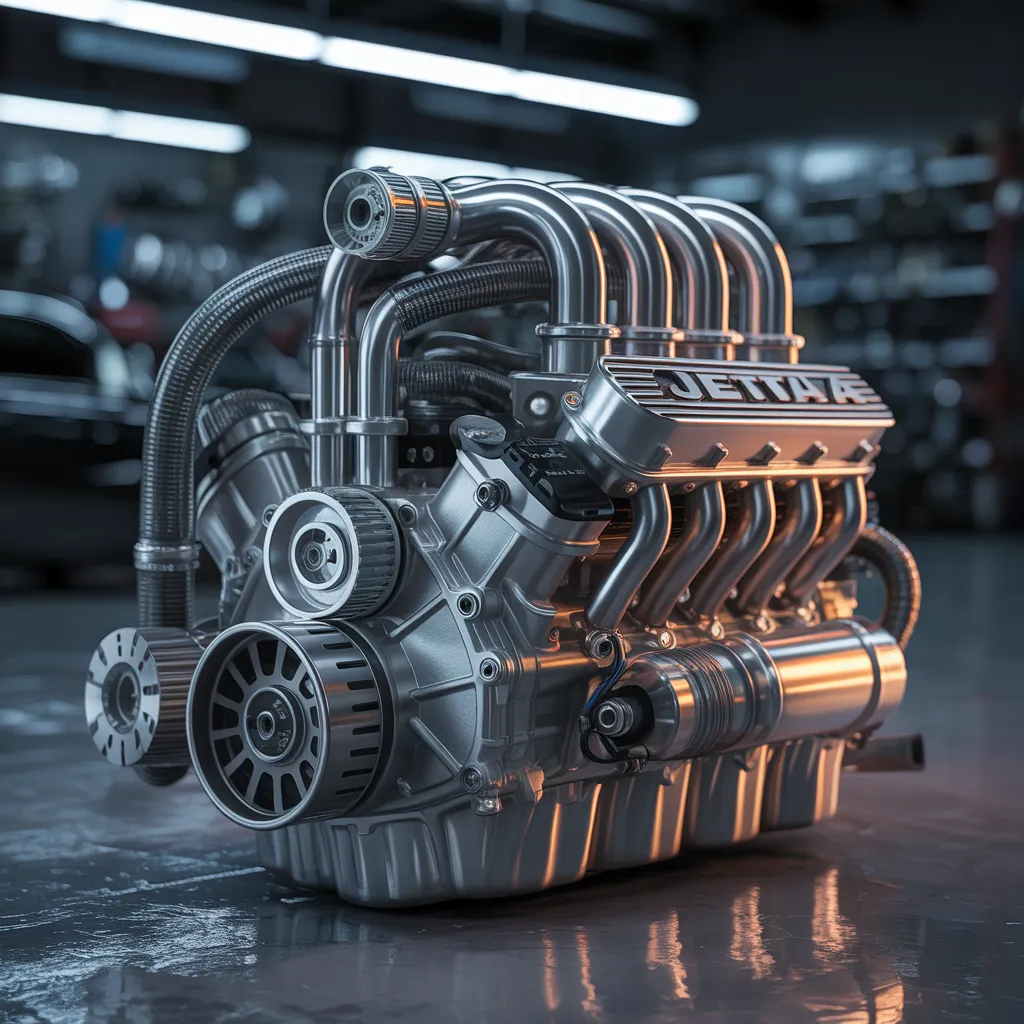
Top Engine Upgrades for Your Jetta 4
When evaluating key engine upgrades for the Jetta 4, enthusiasts often prioritize modifications that optimize performance and efficiency. A widely favored enhancement is the installation of a performance air intake system. This modification increases airflow to the engine, enabling improved engine breathing and enhancing throttle sensitivity. Additionally, upgrading to a high-performance exhaust optimizes exhaust output, which can result in greater power and torque gains.
One more significant enhancement is the ECU chip tuning, which optimizes fuel maps and ignition timing for improved performance. This adjustment can significantly improve overall drivability and acceleration. Fitting a bigger intercooler is also highly recommended, particularly for turbocharged models, as it works to reduce intake temperatures and enhance efficiency. Finally, considering a lightweight flywheel can reduce rotational mass, facilitating quicker engine revs and enhanced performance. Combined, these modifications establish a solid foundation for a stronger and more efficient Jetta 4 engine.
Picking the Right Performance Parts for Your Jetta 4
When improving a Jetta 4 engine, selecting the right performance parts is essential for achieving ideal results. Recognizing the key performance components can considerably boost engine power and efficiency. This guide will examine critical enhancements that can revolutionize how the vehicle performs.
Engine Enhancement Summary
Enhancing the engine of a Jetta 4 can significantly enhance its driving experience and performance. Choosing essential guide the right performance components is essential for achieving the desired results. Possible modifications feature turbochargers, high-flow air intakes, and performance exhaust systems, all of which provide increased horsepower and torque. Furthermore, adjusting engine management software can refine fuel delivery and ignition timing, increasingly improving performance. When considering upgrades, it is important to assess compatibility with existing components and driving preferences. Exploring well-known manufacturers and gathering user reviews can aid in making informed decisions. Ultimately, a carefully considered engine upgrade strategy can result in significant improvements in acceleration, efficiency, and overall driving enjoyment. Careful selection guarantees that enhancements align with individual goals for the Jetta 4.
Key Performance Elements
Selecting the ideal upgrade components for a Jetta 4 is critical to reaching optimal improvements in performance and fuel economy. Essential upgrades include a high-performance air intake system, which boosts airflow and enhances engine breathing. Paired with a performance exhaust system, this setup can significantly lower back pressure, enabling improved exhaust flow and improved horsepower. Upgrading the intercooler ensures optimal air temperatures, further boosting overall performance. Furthermore, a tuned engine control unit (ECU) can enhance ignition timing and fuel delivery for increased power output. Lastly, incorporating performance suspension upgrades, such as performance shocks and springs, boosts stability and handling, guaranteeing that the Jetta 4 can effectively utilize its enhanced power on the road.
Exhaust Systems: Selecting the Right One for Sound and Power
Although numerous car enthusiasts focus on performance, the decision of an exhaust system can heavily affect both power and sound in a Jetta 4. Switching to a performance-grade exhaust can enhance engine efficiency by decreasing restrictive back pressure, enabling better airflow. This improvement in airflow not only boosts horsepower but also delivers a more assertive engine sound that many drivers seek.
When selecting an exhaust system, choices include headers, cat-back systems, and axle-back systems. Every option delivers distinct benefits and sound characteristics, from deep, throaty growls to high-pitched screams. Material choice also plays a significant role; stainless steel is preferred for durability and resistance to corrosion.
Ultimately, the optimal exhaust system combines sound and performance, accentuating the Jetta 4's qualities while satisfying the driver's personal preferences. Careful consideration of these elements secures a rewarding upgrade that improves both driving experience and vehicle appeal.
Turbocharged vs. Supercharged Options for Your Jetta
When exploring how to markedly boost the capabilities of a Jetta 4, performance seekers often weigh the benefits of turbocharging versus supercharging. Turbocharging leverages exhaust flow to spin a turbine, pressurizing the air fed into the engine, which amplifies engine power without greatly increasing engine size. This technique commonly produces greater fuel economy and decreased emissions, making it a popular choice among tuners.
On the other hand, supercharging pulls power directly from the engine's crankshaft, providing immediate boost. This produces immediate throttle response and steady power output across the entire RPM range. Nevertheless, superchargers can reduce total engine efficiency due to parasitic drag.
In the end, choosing between turbocharging and supercharging is a matter of individual preference. Turbochargers tend to attract drivers who prioritize efficiency and maximum power, while superchargers attract those desiring immediate performance. Each option has distinct advantages, allowing Jetta 4 owners to tailor their vehicles to specific driving styles.
How to Enhance Your Jetta's Performance Using ECU Remapping
Fine-tuning a Jetta's engine performance through ECU remapping can greatly enhance horsepower and torque. The process entails modifying the engine control unit's software to optimize ignition timing, fuel delivery, and boost pressure. By adjusting these settings, drivers can experience enhanced acceleration and greater responsiveness.
Prior to moving forward, it is important to select a reputable tuning specialist or employ trusted software specifically designed for Jetta vehicles. Each car may demand tailored changes according to its alterations and planned use.
In addition, capturing data during test drives can deliver meaningful insights, permitting further improvements in the tuning process.
Once the remapping has been completed, motorists should carry out detailed inspections to ensure that the power enhancements do not negatively affect engine durability. This meticulous process confirms that the Jetta achieves a well-rounded mix of power and efficiency, maximizing the potential of the upgraded engine without sacrificing longevity.
Maintenance Advice for Your Modified Jetta 4 Performance
Routine upkeep is crucial for maximizing the performance of a performance-enhanced Jetta 4. Proprietors ought to focus on consistent oil changes, utilizing premium synthetic oil to ensure maximum engine lubrication and operational efficiency. Routinely checking and changing air filters is essential, as a clean filter promotes better airflow and enhances engine performance.
Moreover, maintaining proper tire pressure and alignment leads to enhanced handling performance and fuel economy. Monitoring and changing spark plugs at suggested intervals also helps improve ignition efficiency, thereby influencing performance.
It is essential to monitor the vehicle's coolant volume and verify the cooling system is functioning properly to avoid engine overheating. Periodic checks of the brake system and suspension components are critical to safety and performance.
Finally, utilizing high-grade fuel can optimize engine performance, particularly after significant upgrades. By adhering to these maintenance tips, Jetta 4 enthusiasts can achieve long-lasting performance from their enhanced vehicles.
Answers to Your Top Questions
How Much Does a Jetta 4 Engine Upgrade Typically Cost?
The typical cost of improving a Jetta 4 engine typically ranges from $1,500 to $5,000, depending on the particular modifications, components selected, and labor required, reflecting varying performance goals and individual preferences.
Is It Possible to Handle Upgrades on My Own, or Should I Bring in a Professional?
Upgrades can be carried out without assistance if the owner holds adequate technical knowledge and equipment. Still, consulting a professional is recommended for individuals without experience, securing the most favorable outcomes and minimizing the risk of errors while completing the task.
How Will Upgrades Affect My Jetta's Warranty
Aftermarket changes could nullify a Jetta's manufacturer's warranty, most notably if they impact engine components. It is important for owners to review warranty documentation and consult with certified dealers to understand which modifications may influence coverage.
What Common Mistakes Should Be Avoided During Engine Upgrades?
Typical oversights during engine upgrades include neglecting compatibility, underestimating installation complexity, ignoring essential supporting changes, neglecting to source dependable components, and overlooking critical tuning specifications. These oversights can cause diminished performance and risk serious engine damage.
How Can I Make Sure My Upgrades Are Street Legal?
To confirm enhancements remain legally compliant, one must review regional requirements, select compliant parts, acquire required permits, and consult with professionals. Routine checkups may also assist in copyright conformity to emission and safety standards.
To Conclude
In summary, enhancing the Jetta 4 engine presents a road to enhanced performance and driving enjoyment. By thoughtfully integrating critical enhancements—such as better air intake, upgraded exhaust systems, and precision engine tuning—drivers can achieve substantial gains in both power and efficiency. Careful selection of quality parts and regular maintenance additionally ensures that these upgrades deliver dependable performance. Ultimately, a thoroughly modified Jetta 4 not only offers an exhilarating time behind the wheel but also proves its durability on the road.