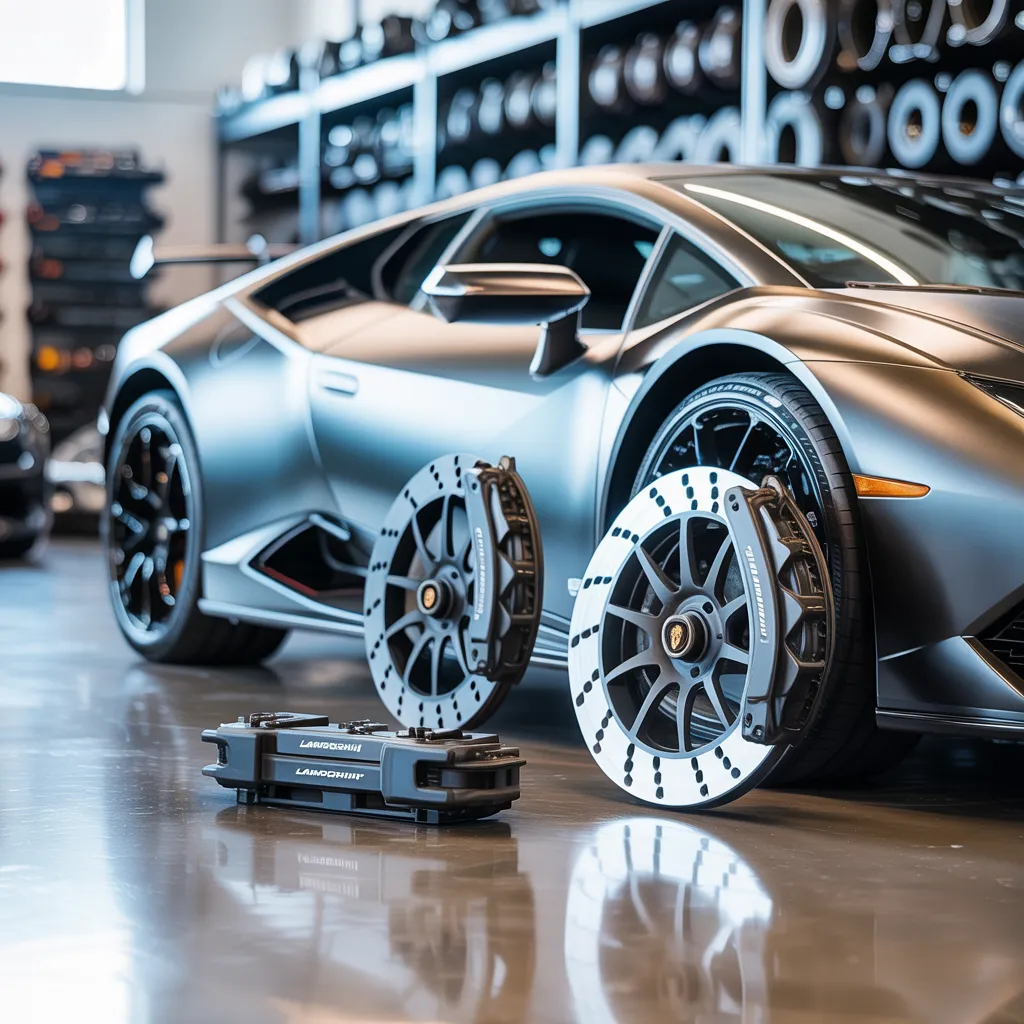
Premium Lamborghini Carbon Ceramic Brakes for High-Performance Driving
Specialized Engine Enhancement Offerings for Outstanding Performance and Conservation
Custom engine tuning services have gained attention for their ability to enhance vehicle efficiency and efficiency. By tailoring adjustments to specific engine configurations and driving conditions, these services provide substantial advantages. Advanced diagnostic tools allow for precise modifications, which can result in improved horsepower and fuel economy. However, misconceptions about engine tuning persist. Investigating the nuances of these services reveals both obstacles and possibilities for drivers seeking optimal performance. What else might be influencing this changing market?
What You Should Understand About Engine Customization
What conditions contribute to the success of custom engine tuning? The accuracy of the tuning process copyrights on several important elements, including the vehicle's specific engine type, modifications, and intended use. A extensive understanding of the engine's dynamics allows for specialized adjustments that boost performance metrics such as throttle response and fuel efficiency. Additionally, utilizing advanced diagnostic tools guarantees accurate data collection, enabling the tuner to make informed decisions.
Environmental considerations, such as altitude and climate, also play a significant role; tuning must account for these factors to improve engine performance under varying conditions. Furthermore, the skill and knowledge of the tuner influence the outcome, as experienced technicians can navigate complex systems and attain desired results. Finally, consistent upkeep and updates of tuning software can ensure the engine continues to function optimally as technology and driving conditions evolve.
Enhanced Performance Boosts From Tailored Engine Tuning
Realizing the complete potential of a vehicle through custom engine tuning yields significant performance gains that can enhance the driving experience. Strengthened horsepower and torque are among the most prominent improvements, allowing for quicker acceleration and a more riveting drive. Custom tuning optimizes the air-fuel mixture and ignition timing, which not only boosts power but also refines throttle response, making the vehicle feel more agile and responsive.
Furthermore, bespoke engine configuration can boost driving comfort, adapting the engine's characteristics to individual driving patterns, whether for daily commuting or professional racing. Improved engine efficiency means smoother shifts and better overall performance under various conditions.
In conclusion, specialized engine tuning facilitates drivers to enjoy their vehicles in a different perspective, revealing capabilities that standard factory settings may not furnish. This customized framework can create a more engaging and enjoyable driving experience, realizing the desires of performance enthusiasts.
Custom Engine Tuning Techniques for Superior Fuel Efficiency
Engine tuning optimizes a vehicle's fuel efficiency by enhancing critical parameters like air-fuel ratios and ignition timing. By fine-tuning these settings, the engine can achieve a more complete combustion process. This leads to a reduction in unburned fuel, effectively increasing the energy extracted from each drop of gasoline or diesel.
Additionally, custom tuning facilitates for adjustments tailored to driving conditions and individual performance needs. This means that vehicles can perform more efficiently under various loads and speeds, further enhancing fuel economy. Furthermore, a correctly-tuned engine can respond more promptly to throttle input, limiting the need for excessive acceleration, which often wastes fuel.
Exposing Popular Misconceptions Surrounding Engine Tuning
Isn't it puzzling how the widespread misunderstanding concerning engine tuning connected information persists despite its merits? A large number of vehicle owners incorrectly believe that tuning is intended only for racing performance applications, disregarding its benefits for daily drivers. One more frequent myth is that engine tuning inevitably causes compromised reliability. Realistically, when correctly executed, tuning can boost both performance and durability through tweaking engine parameters. Besides, certain individuals are afraid that tuning will void their vehicle's warranty; still, several manufacturers approve modifications as long as they comply with prescribed guidelines. In conclusion, the premise that all tuning solutions are generic overlooks the value of bespoke tuning, which personalizes adjustments to fit individual vehicle needs. By resolving these misconceptions, enthusiasts and owners can choose wisely about engine tuning, ultimately optimizing their vehicle's performance and efficiency.
Finding the Perfect Tuning Solution for Your Vehicle
Picking the appropriate tuning solution requires careful consideration of different factors. Key aspects include evaluating vehicle specifications, understanding different engine types, and aligning performance goals with the expected outcomes. Each of these elements plays an important role in determining the most optimal tuning approach for ideal results.
Analyzing Vehicle Specs
Performing a detailed assessment of vehicle features is essential for finding the most effective tuning approach. This procedure involves examining key components such as engine type, power output, torque specifications, and fuel system design. Each vehicle offers unique attributes that impact performance, demanding a tailored approach to tuning. For example, sports cars may take advantage of aggressive tuning techniques to enhance speed and responsiveness, while trucks might focus on improved torque for towing needs. Moreover, comprehending the vehicle's application—whether it is for daily driving, racing, or off-roading—further sharpens the tuning strategy. By carefully reviewing these specifications, tuners can identify the most fitting modifications, providing optimal performance, efficiency, and longevity while aligning with the driver's goals and preferences.
Understanding Engine Types
Understanding the multiple engine types significantly impacts the tuning solutions obtainable for a vehicle. Different engines, such as naturally aspirated, turbocharged, and supercharged, each display unique characteristics and requirements. Naturally aspirated engines depend on atmospheric pressure, making tuning aimed at optimizing air-fuel ratios and ignition timing. Turbocharged engines gain advantage from enhanced airflow, allowing for adjustments in boost levels and fuel mapping. Supercharged engines, which compress air before it enters the combustion chamber, require careful tuning to manage increased power without compromising reliability. Additionally, engine configurations, such as inline, V-type, or rotary, further determine the tuning approach. Recognizing these distinctions guarantees that vehicle owners select appropriate tuning solutions tailored to their specific engine type, maximizing performance and efficiency.
Performance Goals Coordination
When pairing performance goals with the appropriate tuning option, car owners must evaluate their intended results from the start, whether that includes greater power output, better gas mileage, or sharper throttle feel. Comprehending these objectives provides a more targeted approach to optimization. For example, those focusing on speed may choose a option that increases horsepower, while environmentally conscious drivers might seek enhancements to fuel efficiency. Furthermore, driving enthusiasts might prefer a tuning option that improves throttle response for a more exciting driving experience. It is crucial to consider factors such as engine type, driving conditions, and long-term goals. By precisely outlining driving objectives, car owners can choose a tuning option that fits their requirements and optimizes overall engine performance.
New Developments in Personalized Engine Performance Enhancement
Custom engine tuning is experiencing a dynamic evolution, propelled by advancements in technology and evolving customer preferences. One significant development is the integration of artificial intelligence and machine learning, allowing tuners to create custom-tailored maps that optimize performance and performance based on real-time data. Additionally, the emergence of battery-powered and dual-fuel vehicles has encouraged tuners to investigate new avenues, focusing on power cell optimization and power regeneration systems.
An additional significant trend is the growing appeal of remote tuning services, enabling users to modify motor settings remotely via mobile applications. This ease reflects a broader customer tendency for accessibility and customization. Furthermore, regulatory pressures for emissions management have resulted in the creation of sustainable optimization options that improve performance while minimizing environmental impact. As these trends progress, the bespoke engine optimization environment will probably grow more complex, serving a diverse selection of performance and efficiency needs.
Common Questions Posed Regularly
What Period Should You Expect for Custom Engine Tuning?
Engine tuning customization typically takes between one to three hours, depending on multiple aspects including the vehicle type, desired modifications, and the technician's expertise. Proper tuning delivers peak effectiveness and performance.
Does Tuning Void My Vehicle's Protection?
Modifying a vehicle could nullify specific parts of the coverage plan, especially if the changes lead to a failure. However, the overall warranty often remains intact unless clearly specified in the maker's agreement terms.
Can I revert to the default configuration After tuning?
Yes, going back to original settings after tuning is generally possible. Most tuning solutions allow users to restore factory settings, making certain that the vehicle can return to its original performance and performance levels if needed.
What Equipment Is Necessary for Custom Engine Tuning?
Custom engine tuning requires specific tools, including an engine management system, diagnostic software, a laptop or tablet for data analysis, a wideband O2 sensor for air-fuel mixture monitoring, and various tuning cables for vehicle connectivity.
How Often Should I Consider Re-Tuning My Engine?
Engine re-tuning should be reviewed every 10,000 to 15,000 miles, or after major upgrades, service work, or performance issues develop. Periodic evaluations guarantee peak performance and tackle any changes in driving conditions or vehicle usage.